
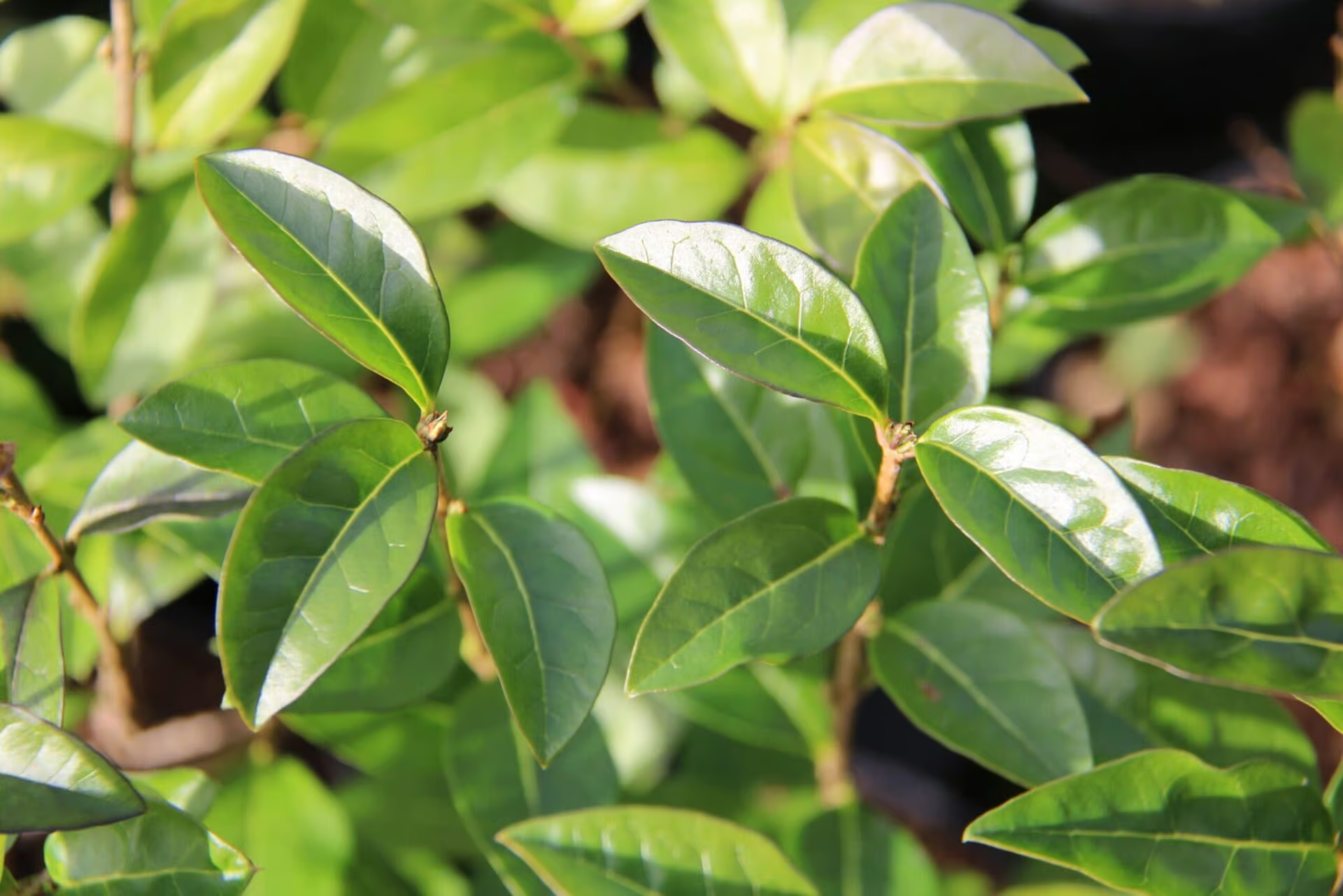
Order Privet
Privet: The Perfect Choice for a Green Hedge in Your Garden
Privet, botanically known as Ligustrum, is one of the most popular hedge plants in the Netherlands and can be found in countless gardens. This plant owes its popularity to a combination of rapid growth and a neat, well-groomed appearance, making it ideal for creating hedges that are both functional and aesthetically pleasing.
This versatile plant has several qualities that make it an excellent choice for any gardener. Privet grows quickly and can form a dense, green hedge in a short amount of time. This makes it a perfect option for people who want to see quick results in their garden. Furthermore, privet is very hardy and can be planted in virtually any type of soil and under any conditions, making it an ideal choice for both experienced and novice gardeners.
Another major advantage of privet is its price. Compared to many other hedge plants, privet is often much more affordable, making it an attractive option for anyone who wants a beautiful hedge without breaking the bank.
In short, if you're looking for a hardy, fast-growing, and affordable hedge plant, then privet is the perfect choice for your garden!
Why Buy the Privet?
Is the privet evergreen?
The privet, a popular choice for gardens and hedges, is semi-evergreen. This means that the plant may lose some of its leaves in the winter. The harsher the winter, the more leaves the privet will shed. Fortunately, these leaves always grow back; the new leaves usually begin to sprout in the spring, around April and May. This makes the privet an attractive option for gardening enthusiasts who want to enjoy greenery in their garden both in summer and winter.
Pruning Privet
Privet grows at an average rate of about 20 to 40 cm per year, making it a fast-growing plant. For optimal growth and a beautiful, full hedge, we recommend pruning your privet twice a year. The best times to do this are in the spring (from March through May) and in the fall (from September through November).
One of the biggest advantages of the privet is that pruning it is relatively easy. This plant is quite hardy and recovers quickly. This means you can’t go far wrong when pruning it, which makes maintaining your hedge easier.
Hedge Privet
Our selection includes the hedge privet, also known as Ligustrum ovalifolium in Latin. This variety is particularly popular because of its oval leaves, which form a beautiful, dense hedge. The hedge privet is ideal for creating hedges that not only provide privacy but also serve as a green barrier in your garden.
Why Choose Privet?
- Easy to care for: Privet is a hardy plant that responds well to pruning.
- Fast-growing: With an annual growth rate of 20 to 40 cm, you'll see quick results for a full hedge.
- Seasonal beauty: Enjoy greenery in both winter and summer.
In short, the privet is an excellent choice for any gardener looking for a durable and attractive hedge plant. Consider the hedge privet for a beautiful and low-maintenance garden!
Frequently Asked Questions About Privet
-
Privet, with the botanical name Ligustrum, is a genus of evergreen and semi-evergreen shrubs found worldwide. This plant is particularly popular in Europe and Asia, where various species are cultivated. The hedge privet, or Ligustrum ovalifolium, is the most common variety in the Netherlands and Belgium. It is a versatile plant often used for hedges and green screens, and is valued for its hardiness and rapid growth.
-
Caring for a privet is relatively easy, making this plant an ideal choice for both experienced and novice gardeners. Here are some tips for the best care:
- Light and location: Privets thrive best in a sunny to partially shaded environment. They can tolerate various soil types but prefer well-drained soil.
- Watering: During dry periods, it is important to water regularly. This promotes healthy growth and prevents the plant from drying out.
- Pruning: As mentioned earlier, pruning is essential for a healthy hedge. Prune your privet twice a year for the best results. This not only promotes growth but also ensures a dense, full hedge.
-
The best time to prune your privet is in the spring, from March through May, and in the fall, from September through November. Pruning during these periods encourages the growth of new shoots and keeps your hedge in top shape. Pruning also helps maintain the hedge’s shape and ensures a healthy, dense structure.
-
Yes, privet is generally safe for pets. However, it’s important to note that eating large amounts of leaves or berries—especially by dogs—can cause mild digestive problems. It’s always a good idea to keep an eye on your pets and make sure they don’t eat any plants or berries they shouldn’t.
-
A privet hedge offers numerous benefits:
- Privacy: A dense privet hedge serves as an effective barrier against noise and prying eyes, giving you more privacy in your garden.
- Aesthetics: The privet's lush, green foliage creates an attractive appearance, both in summer and winter.
- Easy to care for: Privet is a hardy plant that tolerates pruning and various weather conditions well, making it relatively easy to care for.
- Biodiversity: Privet bushes attract a variety of birds and insects, which contributes to the biodiversity in your garden.
-
To promote the growth of your privet, there are a few important steps you can follow:
- Fertilizer: Use a balanced, organic fertilizer in the spring to provide the plant with the nutrients it needs.
- Watering: Water regularly, especially during dry periods, to encourage growth.
- Pruning: Regular pruning encourages the growth of new shoots and ensures a healthy, full hedge.
-
Privet is one of the fastest-growing hedge plants and can grow between 20 and 40 cm each year, depending on the conditions. This rapid growth rate makes privet an excellent choice for gardeners who want to see results quickly. By pruning regularly, you can further stimulate growth and maintain the hedge’s shape. It’s important to remember that growth can vary based on factors such as soil type, watering, and light conditions.
-
Privet usually blooms from late spring through early summer, typically between May and June. The flowers are small and white, and although they are not particularly striking, they do attract bees and other insects. After flowering, berries may form; these are often eaten by birds but should be handled with care, as they are not safe for human consumption.
-
The Hague privet (Ligustrum ovalifolium) is the most popular variety for hedges, but there are several types of privet. Some of the differences are:
- Leaf shape: The Dutch privet has oval leaves, while other species, such as the Chinese privet (Ligustrum sinense), have smaller and more pointed leaves.
- Growth rate: The Dutch privet grows quickly and tolerates pruning well, while some other species grow more slowly.
- Hardiness: The Dutch privet is more tolerant of cold temperatures than some other species, making it a better choice for temperate climates.
-
A healthy privet has the following characteristics:
- Green leaves: The leaves are a vibrant green and free of spots or yellowing.
- Full growth: The plant should have a full, dense appearance with no bare spots.
- Strong branches: The branches are sturdy and resilient, with no signs of breakage or wilting.