

Order Japanese holly
Japanese Holly: The Ideal Hedge Plant for Your Garden
The Japanese holly, scientifically known as Ilex, is a particularly attractive hedge plant known for its small, slender leaves. This plant is native to Asia but has since spread to numerous European gardens, where it is prized for its versatility and aesthetic value.
One of the greatest advantages of the Japanese holly is its strong resemblance to the traditional boxwood. However, what truly sets this plant apart is its resistance to the box tree caterpillar and the box tree moth, two common pests that can severely damage boxwood plants. This makes Japanese holly an excellent substitute for boxwood, perfect for gardeners looking for a low-maintenance and sustainable option.
With its evergreen nature, the Japanese holly remains attractive year-round, contributing to a beautiful garden in every season. Whether you want to create a formal hedge or an informal green partition in your garden, the Japanese holly offers the perfect solution for your hedging needs.

Discover the Japanese Holly: The Perfect Hedge Plant for Your Garden
Japanese holly, also known as Ilex, is a popular hedge plant with unique characteristics that make it an excellent choice for any garden. Native to Asia, this versatile plant has found its way into many European gardens. With its small, thin leaves, it closely resembles boxwood, but offers numerous advantages over boxwood, especially when it comes to pest control.
Benefits of Japanese Holly
Japanese holly is an ideal substitute for boxwood, especially given the growing problems with the box tree moth and box tree caterpillar. Since 2013, these insects have posed a major threat to boxwood hedges, causing damage to many of these plants. The Japanese holly offers a sustainable solution: its leaves are not only aesthetically pleasing but also extremely hardy and compact in growth, making them perfect for creating a beautiful hedge.
All the boxwood plants around Het Loo Palace have now been replaced with Japanese holly, underscoring the effectiveness and popularity of this plant.
Characteristics of the Japanese Holly
- Leaves: Japanese holly has small, soft leaves without thorns, unlike the larger, glossy, and thorny leaves of “common” holly.
- Berries: Black berries appear in the fall and remain on the plant through the winter. Although these berries are attractive to birds, they are poisonous to humans.
Difference from the “Normal” Holly
Although both Japanese holly and “common” holly belong to the same family, there are clear differences:
- The "common" holly has larger, prickly leaves, and its berries are also black.
- The Japanese holly has smaller, softer leaves and lacks thorns, giving it a softer appearance.
Caring for the Japanese Holly
Proper soil preparation is essential for optimal growth of the Japanese holly. This plant thrives best in more acidic soil, which aids in nutrient absorption. Here are some care tips:
- Soil Preparation: Add garden peat or acid-loving potting soil before planting the Japanese holly. This promotes even growth.
- Fertilization: Fertilize the plant twice a year with Organic Hedge Plant Fertilizer. The best times to do this are in April/June and July/August. Apply the fertilizer granules during dry weather.
- Pruning: Prune the Japanese holly once a year, preferably in the spring (March through May) or in the fall (October or November).
Location and Growth
The Japanese holly is not particular about its location. It thrives in full sun, partial shade, and even full shade. With a typical growth rate of 20 to 40 cm per year, it is easy to care for and prune.
Benefits of Japanese Holly:
- Ideal substitute for boxwood
- Evergreen and extremely hardy
- Requires little maintenance
- Easy to prune into various shapes
- Suitable for various locations
Disadvantages of Japanese Holly:
- Berries are poisonous to humans
- Soil preparation is essential for optimal growth
Types:
A well-known variety is the Japanese holly ‘Kanehirae, ’which has additional characteristics that may appeal to gardeners.
Buy Japanese Holly
Are you excited about Japanese holly and would you like to add this beautiful plant to your garden? Then please contact us! We’re ready to offer you advice and show you our extensive selection at our nursery. Japanese holly is available year-round in various pot sizes, and as bare-root plants starting in mid-September. Make your garden more beautiful and easier to maintain with Japanese holly!
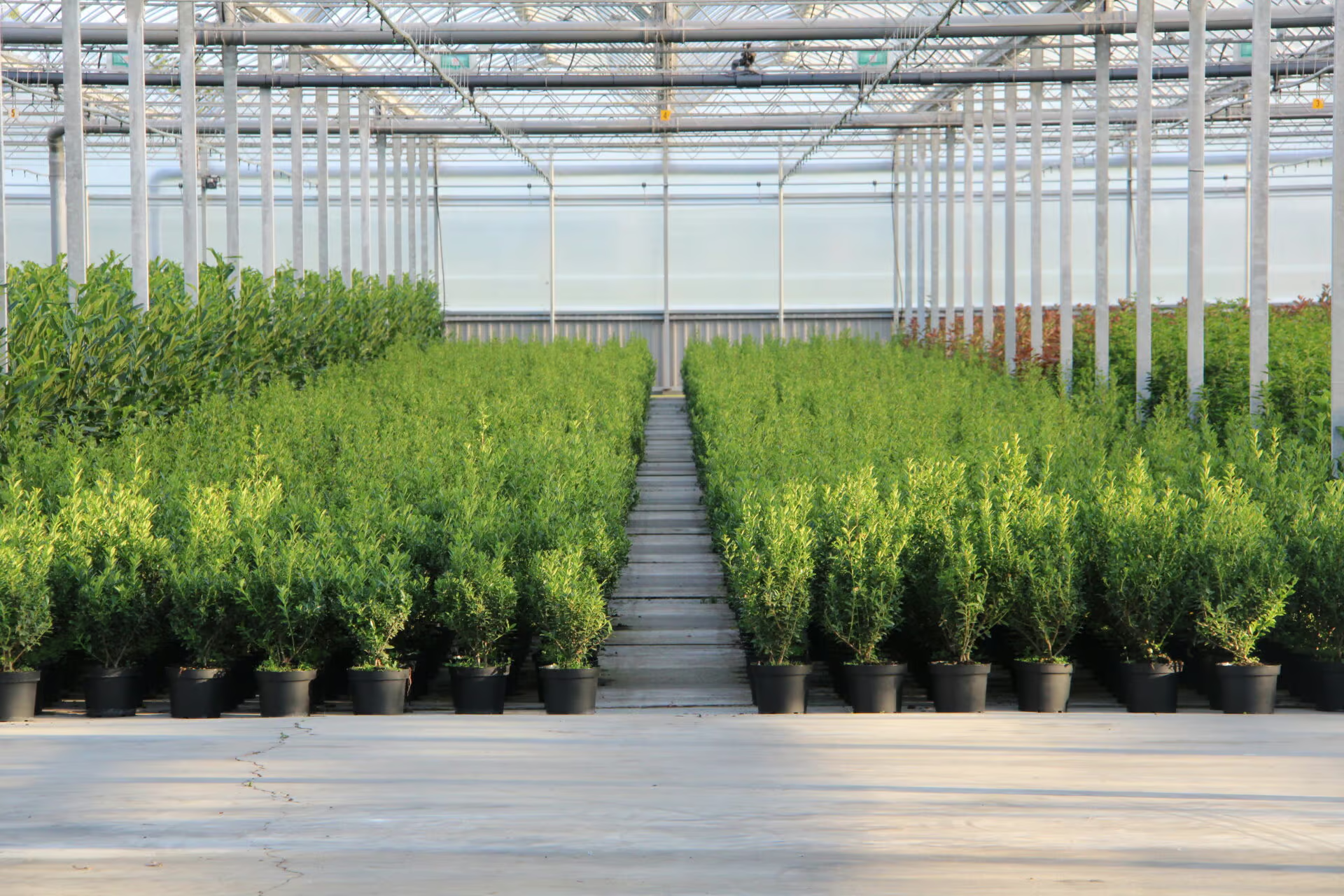
Japanese Holly: freshly grown at our own nursery!
At Stan Verwaaij Haagplanten, we are proud of our freshly grown Japanese holly, including the popular Kanehirae variety. These plants are carefully cultivated in our own greenhouse, where we create the ideal conditions for optimal growth.
Our Japanese holly plants are not only high-quality, but also perfectly suited to the Dutch climate. By using sustainable cultivation methods, we ensure that our plants are resistant to pests and diseases, making them an excellent substitute for boxwood.
With their small, elegant leaves and evergreen nature, our Japanese holly plants are a great choice for any garden. Whether you’re looking for a formal hedge or an informal green screen, Japanese holly offers versatility and beauty. Browse our selection and be inspired by the quality and care that went into each plant.
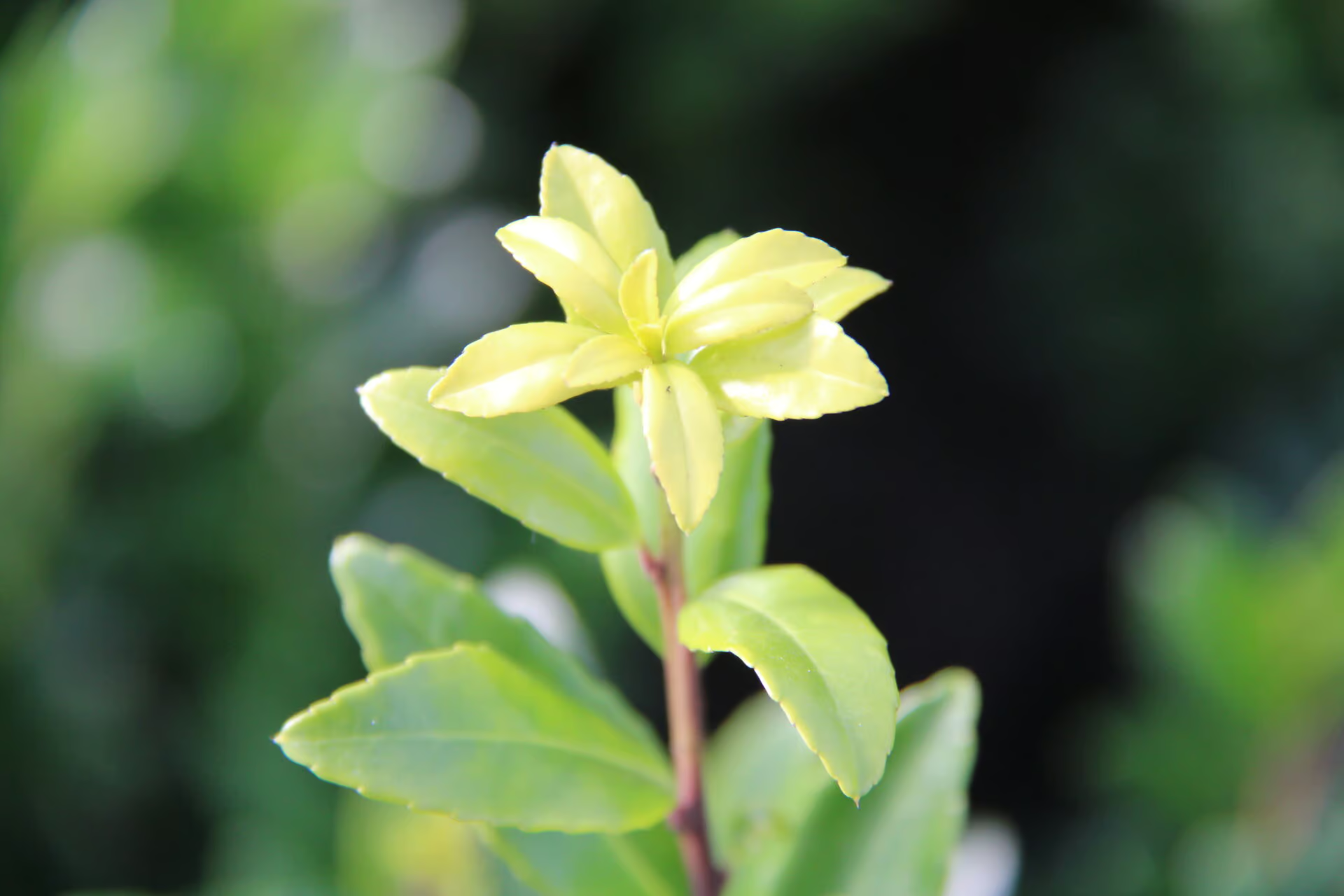
The distinctive leaves of the Japanese holly 'kanehirae'
One of the most striking features of the Japanese holly ‘Kanehirae’ is its unique leaf structure. The leaves are small, glossy, and have a compact, oval shape. These characteristics make the foliage not only aesthetically pleasing but also functional. What sets these leaves apart from other varieties of Japanese holly is their strong, leathery texture. This makes them more resistant to drought and extreme weather conditions, allowing the plant to retain its green color and vitality throughout the year. The leaves remain a beautiful green even in winter, contributing to the overall beauty of your garden, even during the colder months. Additionally, the leaves of the ‘Kanehirae’ variety are particularly resistant to pests and diseases, which is a major advantage for gardeners looking for a low-maintenance option. Thanks to these characteristics, the Japanese holly ‘Kanehirae’ is not only a visually appealing choice but also a practical addition to your outdoor space.
Frequently Asked Questions About Japanese Holly
-
The Japanese holly, scientifically known as Ilex crenata, is a versatile hedge plant native to Asia. This plant is known for its small, thin, and soft leaves, which lend an elegant appearance to any garden. One of the Japanese holly’s key characteristics is its hardiness; it withstands cold temperatures well and remains evergreen throughout the year. This makes it a popular choice for gardeners looking to create a permanent hedge.
Another significant advantage is that the Japanese holly is resistant to pests such as the box tree caterpillar and the box tree moth, which have affected many traditional boxwood plants. The plant typically grows 20 to 40 cm per year and can easily be pruned into various shapes, contributing to its versatility in garden design.
-
Caring for the Japanese holly is relatively simple, but there are a few key steps you can follow to ensure the plant thrives.
- Soil Preparation: Start with proper soil preparation. Japanese holly grows best in more acidic soil. It is recommended to add garden peat or acid-loving potting soil before planting. This helps the plant absorb nutrients and promotes even growth.
- Fertilization: Fertilize the Japanese holly twice a year with organic hedge plant fertilizer. This is best done in April/June and July/August. Be sure to apply the fertilizer pellets in dry conditions for optimal absorption.
- Pruning: Prune the Japanese holly once a year, preferably in the spring or fall. This helps keep the plant in good condition and promotes healthy growth.
- Watering: Make sure the plant gets enough water, especially during dry spells. However, the Japanese holly is sensitive to overwatering, so ensure good drainage.
-
Japanese holly has several advantages over traditional boxwood, making it an attractive choice for gardeners:
- Pests: Japanese holly is resistant to the boxwood caterpillar and boxwood moth, which cause significant damage to boxwood plants. This makes Japanese holly a much more reliable alternative.
- Care: This plant requires less care than boxwood. Japanese holly grows in a compact form and can easily be pruned into various shapes, which makes it easier to care for.
- Hardiness: The Japanese holly is extremely hardy and remains evergreen throughout the year, making it an attractive hedge in all seasons.
- Aesthetics: With its small, soft leaves, the Japanese holly offers a different look than boxwood, which can contribute to a varied garden design.
-
Yes, the berries of the Japanese holly are poisonous to humans. These berries are attractive to birds, but it’s important to be aware of their toxicity if you have children or pets. Eating the berries can lead to stomach upset and other health problems. It’s therefore wise to warn children and make sure they don’t eat the berries.
-
The best time to plant Japanese holly is in the spring or fall. In the spring, the plant has a chance to establish itself before the summer heat sets in. In the fall, the plant can benefit from the cool temperatures and autumn moisture, which promote root growth. Make sure to prepare the soil properly and water the plant thoroughly after planting.
-
Pruning is an important part of caring for the Japanese holly. It helps keep the plant healthy and attractive. Here are some tips for pruning:
- Timing: It is best to prune Japanese holly in the spring (March through May) or in the fall (October or November). These are the best times to promote growth and keep the plant in top condition.
- Technique: Use sharp, clean pruning tools to cut branches. This minimizes damage to the plant and prevents infections. Do not prune more than one-third of the plant at a time to avoid over-pruning it.
- Shape: Japanese holly can be pruned into various shapes, depending on your preference. Whether you want a formal hedge or a more informal look, pruning gives you the flexibility to achieve the desired shape.
-
The Japanese holly is fairly drought-tolerant, but it is essential to care for the plant properly, especially in the first few years after planting. During dry periods, it is important to water regularly to allow the roots to establish themselves properly. A layer of mulch around the base of the plant can also help retain moisture and reduce weed growth. Once the plant is well-rooted, it can better tolerate dry conditions, but regular watering is still recommended for optimal growth.
-
The Japanese holly has an average growth rate of 20 to 40 cm per year, depending on growing conditions and care. Under optimal conditions—with sufficient water, nutrients, and the right soil type—the plant can reach the higher end of this growth range. Regular pruning also promotes healthy, compact growth, ensuring that the plant always looks its best.
-
Yes, the Japanese holly is very versatile when it comes to its growing conditions and can thrive in both full sun and shady areas. This makes it an excellent choice for gardens that don’t always get a lot of sunlight. In shady areas, growth may be slightly slower, but the plant will remain healthy and retain its attractive green foliage. Make sure the plant receives sufficient moisture and nutrients, especially in shady conditions.
-
The frequency of watering depends on various factors, such as the season, soil type, and the plant’s age. Young plants need regular watering in their first few years to develop a strong root system. During hot and dry periods, it is recommended to water the plant weekly. Mature Japanese holly plants are better able to withstand drought, but it is still important to check the soil moisture regularly, especially in the summer.