

Order a Yew Tree
The Yew: The Sustainable Hedge Plant for Your Garden
The yew, also known as the poison tree, is a popular and easily recognizable plant species in the Netherlands. What makes this plant special is that the yew has needles instead of leaves, which gives your garden a unique look. These characteristics have led to the planting of countless hedges of this species—and for good reason!
One of the biggest advantages of the yew is that it can live for a very long time without requiring much maintenance. The yew is a slow grower, which means you hardly ever have to prune it. This makes it ideal for gardening enthusiasts who want a beautiful hedge without too much work. What’s more, the yew is exceptionally hardy; you don’t have to worry even during periods of extreme weather. This plant is incredibly resilient and can handle both cold and hot conditions with ease.
Choose a yew for your garden and enjoy a long-lasting, low-maintenance plant that will last for years!
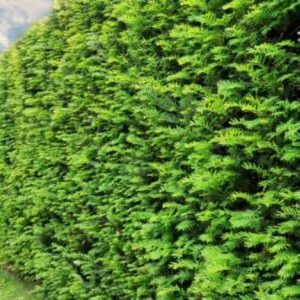
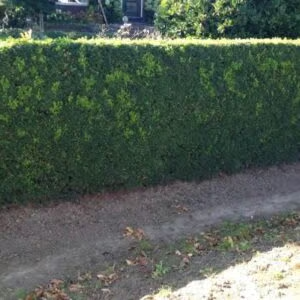
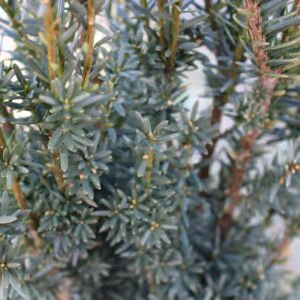
Discover the Yew: a beautiful and sustainable choice for your garden
The yew, often referred to as the "venom tree," is a familiar plant species in the Netherlands and an excellent choice for gardening enthusiasts. What makes this plant so special is that the yew has needles instead of leaves. This gives it a unique appearance and has led to the popularity of yew hedges in many gardens. But what really makes the yew a must-have?
Why Choose a Yew?
The yew is not only beautiful but also extremely hardy. This plant can live to a very old age and requires minimal care. It is a slow grower, which means you don’t have to prune it as often, and it remains sturdy even in extreme weather conditions. This makes the yew an ideal choice for both experienced gardeners and beginners.
Characteristics of the Yew
- Slow growth: The yew grows an average of up to 20 cm per year, making it perfect for creating a low hedge. This is particularly useful for property boundaries in your front yard, so you don’t lose your view.
- Various uses: You can also plant the yew in a group or in a border, making it a versatile choice for any garden. You don’t need a green thumb to make the most of this beautiful plant.
- Medicinal properties: A valuable raw material for cancer medication can be extracted from the pruning waste of certain yew species. There are regular collection drives for this pruning waste, so if you choose a yew, keep an eye out for them.
Caring for the Yew Tree
When planting a yew, it is important to use use organic potting soil , such as Culvita soil. This gives the plant a good start and ensures that the roots establish themselves better.
- Fertilization: Fertilize the yew twice a year with Organic Hedge Plant Fertilizer:preferably once between April and June and again between July and August. Be sure to apply the fertilizer granules during dry weather.
- Pruning: Because the yew is a slow-growing plant, pruning once a year is usually sufficient. This can be done in the spring (through May) or in the fall (October or November). Even if you prune a little too much, this is usually not a problem; the yew will quickly sprout new growth. The advantages of the yew are:
Where to plant?
Yews can be planted almost anywhere, whether in full sun, partial shade, or shade. Keep in mind, however, that this plant does not like wet soil. Therefore, do not plant yews in very wet soil to prevent root rot.
Benefits of the Yew
- Slow-growing: ideal for low hedges
- Minimum pruning requirements: pruning just once a year is sufficient
- Extremely hardy: withstands severe weather conditions
- Versatile: can be pruned into various shapes; also suitable for block or border planting
- Long Life: Yews can live to a very old age
Disadvantages of the Yew
- Susceptible to prolonged drought: Ensure there is enough water during dry periods
- Doesn't like wet feet: Avoid planting in damp soil
- Toxicity: Both the needles and the berries are poisonous, so be careful around pets and children
Types of Yew
- Taxus baccata
- Yew ‘Hicksii’
- Taxus media ‘Hilli’ (berryless variety)
Buying a Yew Tree
Are you excited about the possibilities of the yew? Or would you like to learn more about our selection? Please feel free to contact us! We’d be happy to advise you and invite you to come see our selection at our nursery. The yew is available in various sizes, both potted (year-round) and with a root ball (starting in mid-September).
With the Taxus, you’re not only adding beauty to your garden, but also a touch of history and sustainability. Make the right choice for your outdoor space today!
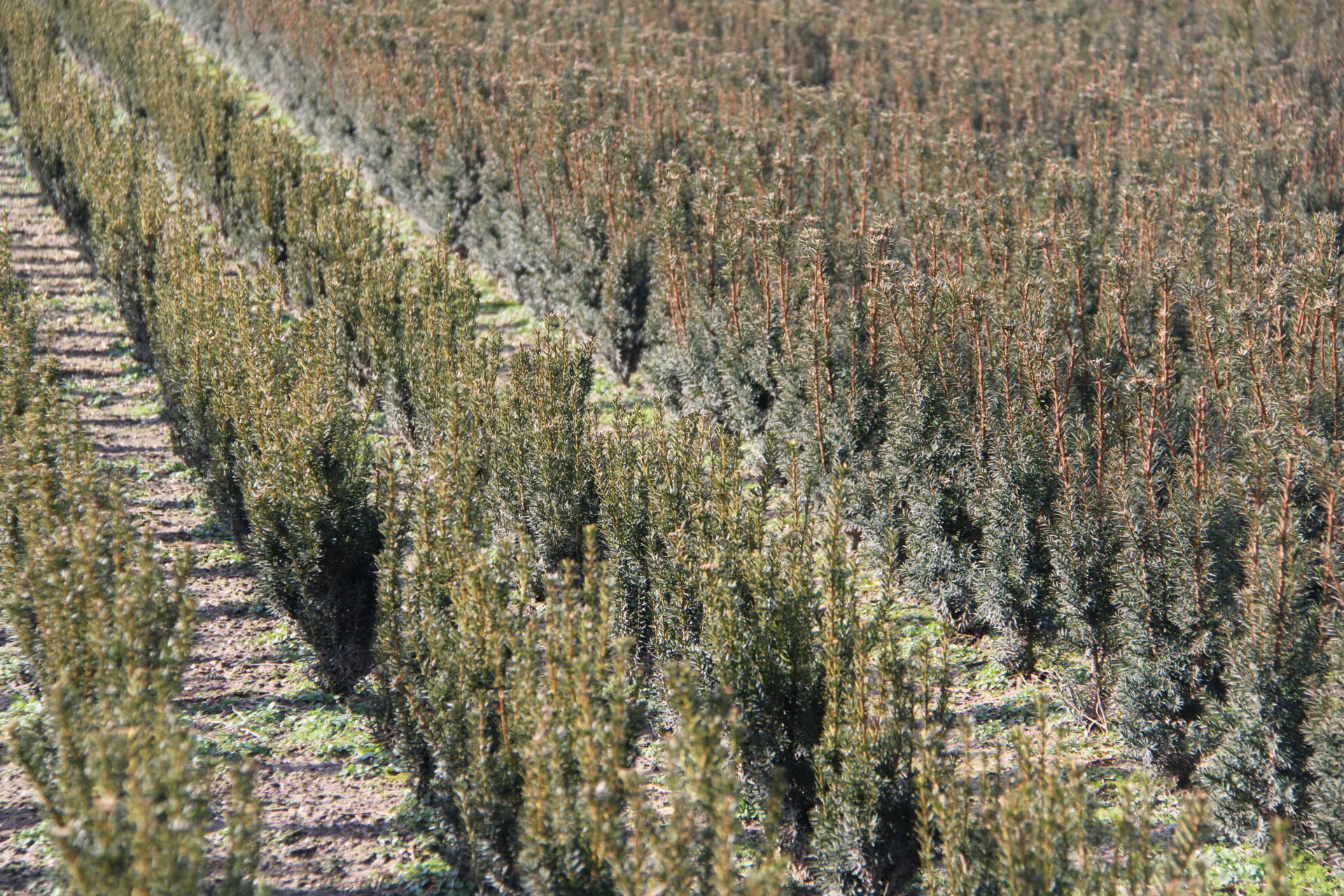
Years of experience in growing yew trees
Stan Verwaaij Haagplanten has many years of experience in growing yew trees. Our passion for this versatile plant has enabled us to build up in-depth knowledge of the various species. We understand what it takes to grow healthy, strong, and attractive yews. This expertise allows us to provide customers with the best quality and service, so they can beautify their gardens with confidence. With our experience, we can also advise you on selecting and caring for yews that best suit your specific needs.
Frequently Asked Questions About Yew
-
The yew, also known as the poison tree, is a popular shrub in the Netherlands. This plant is distinctive because it has needles instead of leaves, which gives it a unique appearance. Yews are slow-growing; on average, they grow a maximum of 20 cm per year. This makes them ideal for creating low hedges or yard boundaries without obstructing your view. Yews are also very hardy and can withstand a variety of weather conditions. Furthermore, they are versatile and can be pruned into various shapes, making them suitable for a wide range of uses in the garden.
-
When planting a yew, it is important to use organic potting soil, such as Culvita soil. This promotes root growth and ensures that the plant establishes itself well. The yew does not require much water, but it is essential to ensure good drainage. Avoid planting in wet soil to prevent root rot. As for care, fertilize the yew twice a year with organic hedge plant fertilizer. This is best done in the spring (April–June) and in the summer (July–August). Pruning is also important, but because the yew grows slowly, pruning once a year is sufficient. This can be done in the spring or fall. Even if you prune a little too much, this is usually not a problem; the plant will quickly sprout new growth.
-
Yes, the yew can be planted in full sun, shade, or partial shade. This makes it a versatile choice for various garden settings. However, it is crucial to ensure good soil conditions. The yew prefers well-drained soil and does not like “wet feet.” This means you should make sure the soil is not too damp, especially after rainfall.
-
There are several benefits to planting a yew tree:
- Longevity: Yews can live to a very old age and are resistant to harsh weather conditions.
- Minimal maintenance: They require little pruning, usually only once a year.
- Aesthetic value: The yew has an elegant appearance and can be pruned into various shapes, which adds to the beauty of your garden.
- Medicinal use: Certain species of Taxus can be used to make cancer medication, which is another reason for this plant's popularity.
-
There are several types of yew you might want to consider, depending on your specific needs and preferences:
- Taxus baccata: The most common species, ideal for hedges.
- Taxus media ‘Hicksii’: An upright variety well-suited for formal gardens.
- Taxus media 'Hilli': A variety without berries, which may be a good choice if you're concerned about toxicity.
-
The yew usually only needs to be pruned once a year. This can be done in the spring or fall. Pruning helps keep the plant in shape and promotes healthy growth. Even if you accidentally prune it too much, the yew tends to sprout new growth quickly.
-
The yew is generally a hardy plant, but it can sometimes be affected by fungi or insects. Ensure good air circulation around the plant and avoid excessive moisture. Removing dead or diseased branches promptly can also help keep the plant healthy.
-
The best time to plant a yew is in the spring or fall. During these seasons, temperatures are milder, and there is less risk of root rot caused by excessive moisture in the summer. It is best to plant the yew on a cloudy day or in the evening to prevent it from drying out.
-
The yew requires a moderate amount of water. Make sure the soil is moist but not soggy. During prolonged dry spells, it is important to water regularly, especially during the summer months. Check the soil regularly to ensure it is neither too dry nor too wet.
-
The yew is very versatile and can be pruned into various shapes, such as rounded or straight hedges. Use sharp, clean pruning shears to make a clean cut. Start by pruning the top and work your way down. Make sure the bottom is wider than the top for a beautiful, full appearance.If you have any further questions or would like specific information, please don’t hesitate to contact us. We’re here to help you choose the perfect yew for your garden.