
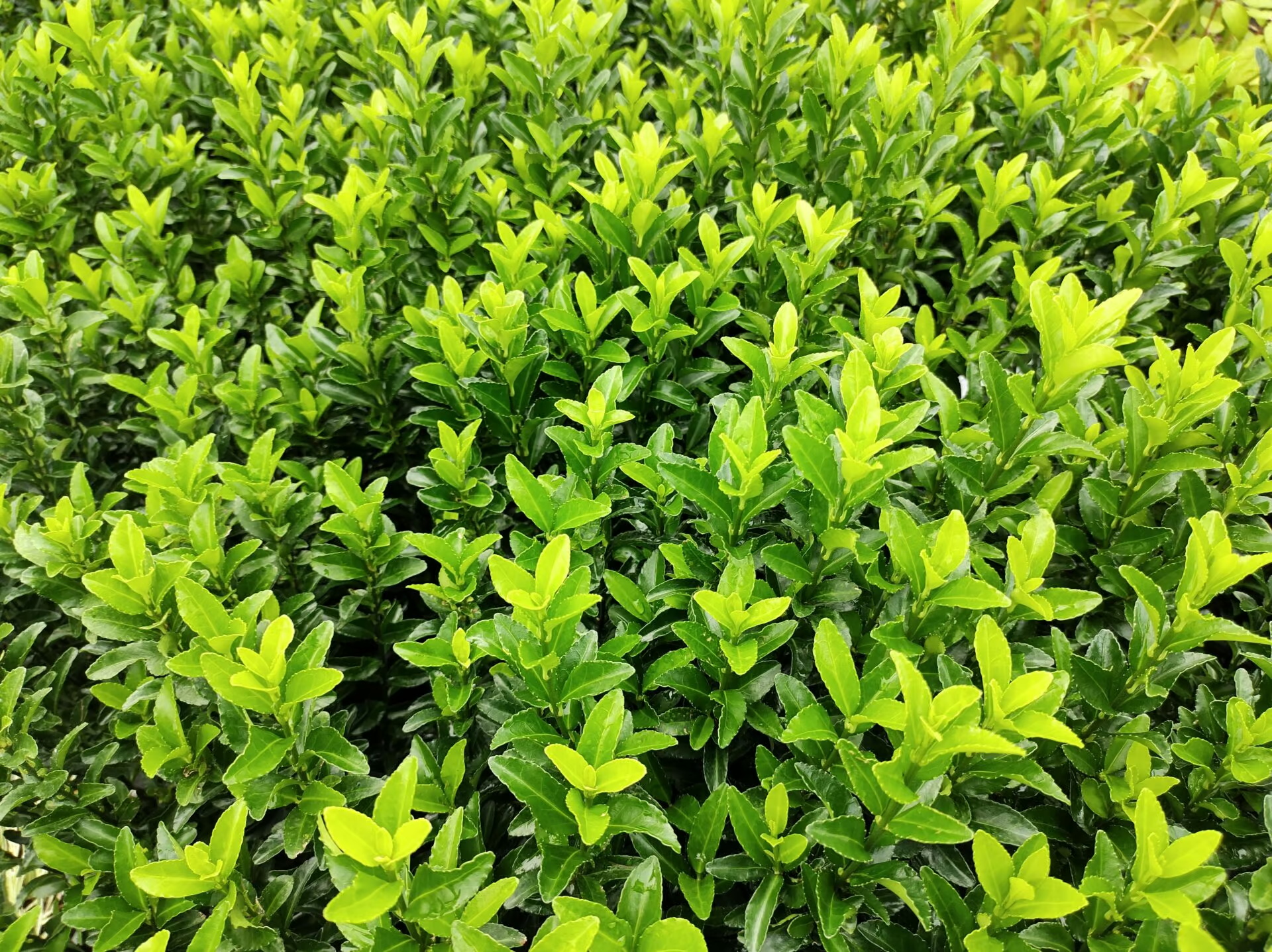
Order a Cardinal's Hat
The Cardinal's Hat: The Ideal Alternative to a Boxwood Hedge
The spindle tree, also known as Euonymus, is a beautiful plant that is native to various Asian countries such as Japan, Korea, and China. In recent years, however, this plant has been rapidly gaining popularity in Dutch gardens—and for good reason!
One of the main reasons for the growing interest in spindle trees is the increasing difficulty of maintaining a boxwood hedge. The box tree moth, a common pest, can seriously damage these hedges and even destroy them. The spindle tree offers an excellent alternative to the traditional boxwood hedge. This slow-growing plant is particularly well-suited for use as a low hedge and has the major advantage of being highly resistant to the box tree moth.
With its attractive appearance and ease of care, the spindle tree is not only a practical choice but also a beautiful addition to any garden. Whether you want to create a formal hedge or plant a more informal border, the spindle tree offers versatile options.
Cardinal's Hat
The spindle tree, also known in Latin as Euonymus, is a versatile plant that is native to Asian countries such as Japan, Korea, and China. In recent years, this plant has been gaining popularity in Dutch gardens, and for good reason!
Why the Cardinal's Cap?
At a time when maintaining a boxwood hedge is becoming increasingly challenging due to the presence of the destructive boxwood caterpillar, the spindle tree offers an excellent alternative. This slow-growing plant is perfect for low hedges and has the great advantage of being highly resistant to this pest.
Characteristics of the Cardinal's Cap
The spindle tree is known for its slow growth. On average, it grows no more than 20 cm per year, making it ideal for low hedges, such as in the front yard. In addition, this plant works exceptionally well as ground cover or in border plantings. In many gardens, clusters of spindle trees are also planted to create a playful look.
Location
The Euonymus is not particular about its location and grows well in both sun and shade. Another major advantage is that this plant is very hardy; it is unlikely to freeze to death, allowing it to retain its green color year-round.
Biodiversity
Fun fact: The spindle tree attracts insects and birds with its flowers and berries. This creates a lively and inviting atmosphere in your garden.
Caring for the Cardinal's Hat
When planting, it is recommended to use Culvita organic potting soil. This gives the plant a good start and helps the roots establish themselves better.
Fertilization
Fertilize the spindle tree twice a year with organic hedge plant fertilizer. This is best done during the following periods:
- April through June
- July through August
Spread the fertilizer pellets during a dry period for optimal absorption.
Pruning
This slow-growing plant only needs to be pruned once a year, which reduces maintenance costs. Prune in the spring (through May) or in the fall (October or November).
Benefits of the Cardinal's Hat
- Slow-growing: Ideal for low hedges
- Easy maintenance: Prune only once a year
- Hardy: Can withstand harsh winters
- Flexible location: Grows in full sun, partial shade, or shade
- Easy to care for: Suitable for both beginners and experienced gardeners
- Evergreen: For a green garden all year round
- Versatile: Can also be used for block planting or as accent planting
Disadvantages of the Cardinal's Hat
- Poisonous: The berries are poisonous
- Not suitable for tall hedges: Ideal for low applications, but not for tall hedges
Buy a cardinal's cap
Are you excited about the spindle tree and would you like to learn more? Feel free to contact us! We’re here to offer advice and would love to show you our selection at our nursery. The spindle tree is available year-round in various sizes and pots.
Cardinal's Hat 'Green Spire': our favorite!
The "Green Spire" spindle tree is an excellent choice for anyone looking for a low hedge that is both aesthetically pleasing and low-maintenance. This particular variety has a number of unique characteristics that make it especially well-suited for use in gardens and landscapes.
First, “Green Spire” has an upright growth habit, which gives it a neat and tidy appearance. Its leaves are dark green and glossy, adding a fresh and vibrant touch to your garden all year round. This visual appeal makes “Green Spire” ideal for formal hedges, as well as for more informal settings.
Another important advantage of the “Green Spire” spindle tree is its slow growth. This means it doesn’t get too big too quickly, making it easy to maintain. Pruning just once a year is enough to maintain the desired shape and height. This makes it a very practical choice for busy gardeners.
In addition, the “Green Spire” is highly resistant to pests such as the box tree moth, which often poses a problem for traditional hedges. This resilience makes it a reliable option for gardens in the Netherlands, where the box tree moth is becoming increasingly common.
In short, the “Green Spire” spindle tree combines aesthetic appeal, ease of maintenance, and resistance to pests, making it the ideal choice for a low hedge. Whether you have a modern garden or want to create a more traditional look, this variety offers versatile options that will meet all your needs.
Frequently Asked Questions About Cardinal's Hat
-
The spindle tree, also known as Euonymus, is an attractive and versatile plant native to various parts of Asia, including Japan, Korea, and China. This plant has gained popularity in the Netherlands in recent years, primarily because of its aesthetic value and ease of care. The spindle tree is an excellent choice for both private and professional gardens, where it can contribute to biodiversity by attracting insects and birds.
-
The spindle tree is known for its slow growth, averaging up to 20 cm per year. This makes the plant particularly well-suited for low hedges and ground cover. Because it grows slowly, it is ideal for gardens where calm and controlled growth is desired. This prevents the plant from becoming too large too quickly and difficult to maintain. As a result, pruning once a year is usually sufficient, which also contributes to the ease of care of this species.
-
The spindle tree is a highly versatile plant that adapts to a variety of conditions. It thrives in both full sun and shade, making it suitable for a wide range of garden designs. The plant is not particularly demanding when it comes to soil type, but using Culvita organic potting soil can significantly improve its growth. This ensures a good start and helps the roots establish themselves better. In addition, the spindle tree is hardy, so it is not easily damaged by cold temperatures.
-
Caring for the spindle tree is relatively easy. Here are a few important points to keep in mind:
- Fertilization: It is recommended to fertilize the plant twice a year with organic hedge plant fertilizer. The best times to do this are April–June and July–August. Apply the fertilizer pellets during dry weather for optimal absorption.
- Pruning: Since the spindle tree is a slow-growing plant, it is sufficient to prune it once a year. This can be done in the spring (through May) or in the fall (October or November).
- Watering: Make sure the plant gets enough water, especially during dry periods. However, avoid overwatering, as this can lead to root rot.
-
Yes, the berries of the spindle tree are poisonous to both people and pets. Although the plant itself is an excellent choice for gardens because of its aesthetic and ecological benefits, it’s important to be cautious if there are small children or pets around. Be sure to warn them not to eat the berries. It’s always wise to research a plant’s toxicity before planting it, especially if you have children or pets.
-
Yes, the Cardinal's Hat is fairly drought-tolerant once it is well-established. This means it is able to survive periods of drought without too much water. However, during the first few months after planting, it is important to water it regularly, especially during dry spells. This helps the roots develop properly and ensures that the plant is strong enough to withstand drought.
-
Although the cardinal's cap is generally resistant to pests such as the box tree caterpillar, other pests or diseases may occasionally occur. Here are some tips for protection:
- Regular inspection: Check your plant regularly for signs of pests, such as discolored leaves or webs. Early detection can help prevent a bigger problem.
- Biological control: Use natural predators of pests, such as ladybugs, which control aphids.
- Good air circulation: Make sure the plants have enough space to grow. This reduces the risk of fungal diseases caused by overcrowding.
- Healthy Soil: Good soil conditions with sufficient organic matter promote overall plant health and make plants less susceptible to disease.
-
The Cardinal's Cap offers various aesthetic benefits that contribute to the overall beauty of your garden:
- Evergreen: The plant stays green all year round, giving it a vibrant appearance, even in winter.
- Attractive leaves: The glossy leaves of the spindle tree add a touch of elegance to any garden. They often have a beautiful, rich color that ranges from deep green to yellowish hues, depending on the variety.
- Flowers and berries: The small, unassuming flowers are a source of nectar for bees and other insects, while the berries add a splash of color that attracts birds.
- Shape: The cardinal's cap can easily be pruned into various shapes, allowing it to be adapted to the specific style of your garden.
-
The best time to plant spindle trees is in the spring or fall. In the spring, from March through June, the risk of frost has passed and the plants begin to grow actively. This gives them enough time to become established before the hot summer months arrive. Fall, from September through October, is also an excellent time to plant, as the soil is still warm and may be moister, which promotes root development. Avoid planting during extreme heat or cold, as this can hinder growth.
-
Yes, the Cardinal's Hat is ideal for a low-maintenance garden. Because of its slow growth and minimal pruning and fertilization requirements, this plant is an excellent choice for busy gardeners. Its hardiness and ability to adapt to various light conditions make it even easier to incorporate this plant into your garden without much extra work.