
Order a Photinia
Photinia (Photinia x fraseri) – The Beautiful, Colorful Hedge Plant
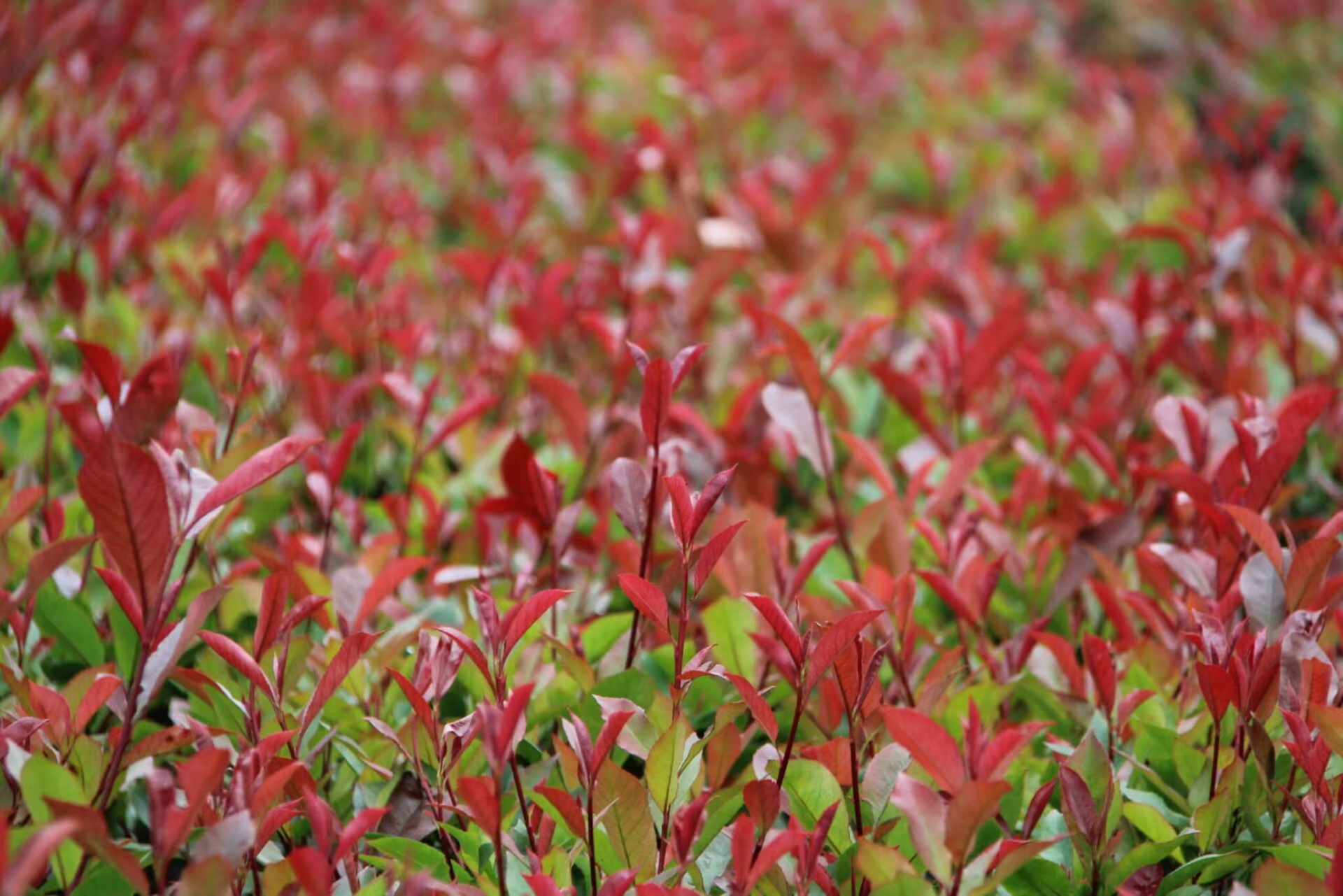
The Photinia is an impressive hedge plant that will beautify your garden in every season! This unique plant stands out for its fiery red leaves in the spring, which give it a vibrant look, and its dark green color in the summer, providing a fresh and lush backdrop.
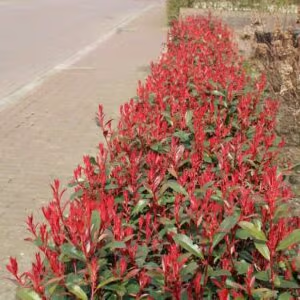
With the Latin name Photinia x fraseri, this plant is native to the mountains of Asia. The Photinia is not only a beautiful addition to your garden, but also a versatile choice. It can be planted as a specimen plant, where it serves as an eye-catcher, or in a hedge to provide privacy and shelter.
The photinia is easy to care for and grows best in well-drained soil, preferring full sun or partial shade. With its dense growth and colorful foliage, the photinia is an excellent choice for any landscape designer or gardening enthusiast. Looking to buy a photinia? It’s definitely a striking plant that will beautify your outdoor space and provide years of enjoyment!

Photinia (Photinia x fraseri)
What is the Japanese snowbell?
The Photinia is a striking hedge plant that enriches your garden with its beautiful colors. This plant is distinguished by its fiery red leaves in the spring and dark green foliage in the summer. The Latin name for this plant is Photinia x fraseri, and it is native to the mountains of Asia. The Photinia can be planted either as a specimen plant or in a hedge, giving your garden a unique look.
Characteristics of the Photinia
- Seasonal colors: In the spring, new, fiery-red leaves appear. In the summer, they turn dark green, and in the winter, they take on a dark red hue. This creates a dynamic color palette throughout the year.
- Flowering: In the spring, the photinia blooms with white flowers, which further enhance the beauty of your garden.
- Hardiness: The photinia is moderately hardy. In extremely cold weather, it is advisable to take extra care of the plant, for example by covering it with a cloth.
Types of Photinia
Our selection includes two popular varieties of photinia:
Which variety should you choose?
- “Robusta Compacta”: Has a more compact growth habit and is ideal for lower hedges (up to 150 cm).
- “Red Robin”: Suitable for taller hedges, with a normal growth rate of 20 to 40 cm per year.
Caring for the Photinia
- Planting: Use Culvita organic planting soil for better root development.
- Fertilization: Feed the photinia twice a year with Organic Hedge Plant Fertilizer: once in the spring (April/May) and once in the summer (July/August).
- Pruning: For a neat hedge, prune twice a year (spring and fall). For a lush appearance, prune once a year.
- Location: Plant the photinia in full sun or partial shade for optimal growth.
Benefits of the Glossy Privet
- Brilliant colors all year round
- Easy to prune
- Grows in a variety of locations
- Suitable for both tall and short hedges
Disadvantages of the Photinia
- Moderately hardy
- Not suitable for cold locations
Buy a Photinia
Are you interested in the photinia? If so, please contact us for more information and advice. You can purchase photinia in various pot sizes year-round, and with a root ball starting in mid-September.
The striking red leaves of the photinia
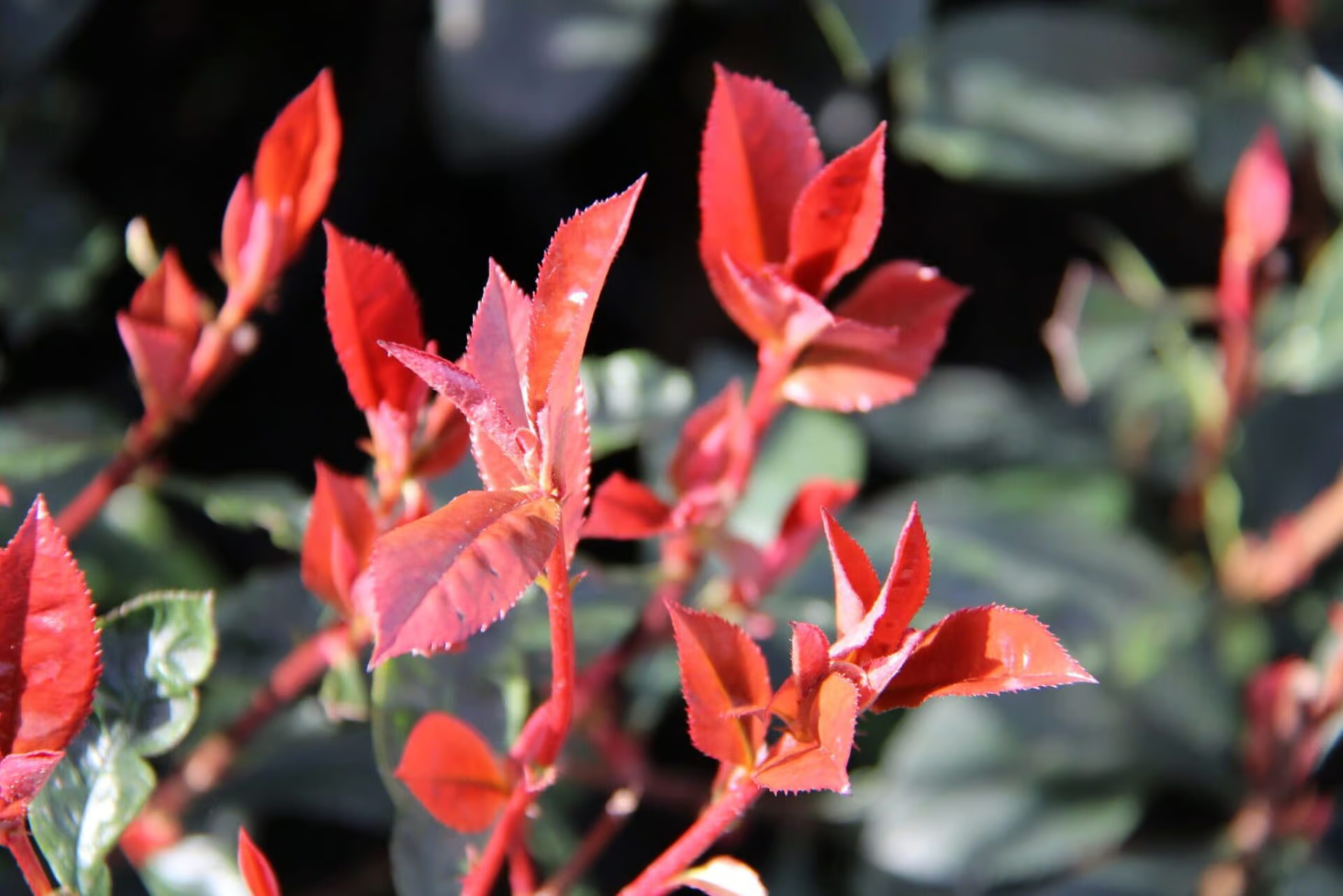
The photinia is famous for its beautiful fiery-red leaves that appear in the spring. These young leaves are not only a feast for the eyes, but they also play an important role in the plant’s appeal. The intense red color creates a stunning contrast with the dark green leaves that emerge later in the season, giving the photinia visual interest throughout the year.
These red leaves are a sign of healthy growth and give the plant a vibrant appearance. It is during this phase that the photinia makes the biggest impact, and many gardening enthusiasts choose to use this plant as a striking feature in their garden design. The young leaves also serve as an attractive food source for bees and other pollinators, which contributes to biodiversity in your garden.
Proper care—such as ample sunlight and adequate fertilization—can help preserve the color of the leaves. This ensures that the photinia not only remains beautiful but is also healthy and strong.
The beautiful green leaves of the photinia
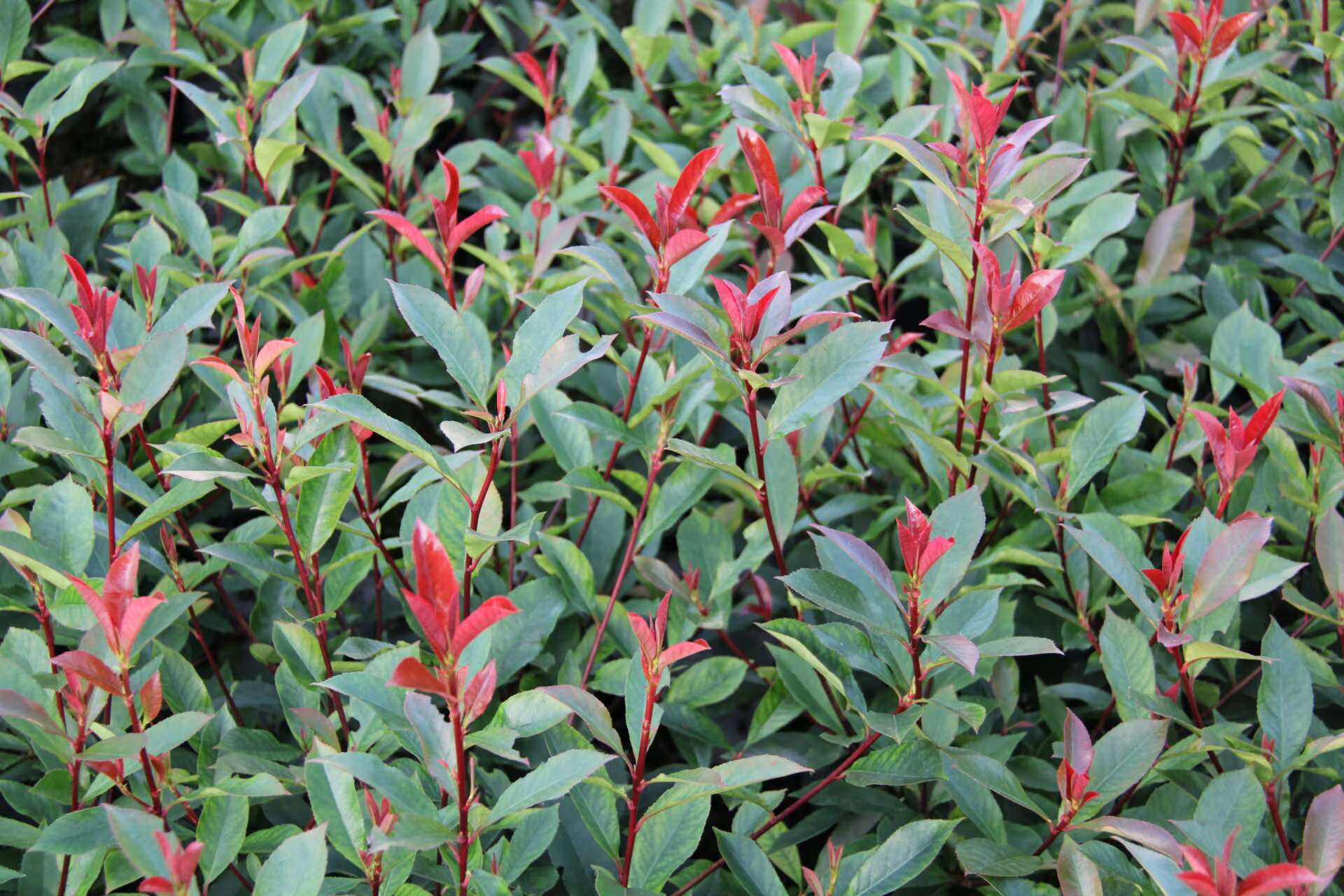
The photinia surprises not only with its striking fiery-red leaves in the spring, but also with its lush dark-green foliage that steals the show the rest of the year. As soon as the young red leaves mature, they transform into a rich, dark-green color that provides a beautiful backdrop for any garden.
These green leaves are glossy and firm, which adds to the plant’s overall appeal. Not only do they offer visual beauty, but they also serve as an excellent hiding place for birds and other small animals, making the photinia a valuable addition to a garden that promotes biodiversity.
The dark green leaves are also durable and resistant to various weather conditions, making the photinia a hardy choice for any garden. They require relatively little maintenance, as long as the plant receives enough sunlight and water. With proper care, the leaves remain healthy and vibrant, enhancing the overall appearance of your garden.
Frequently Asked Questions About the Photinia
-
The Photinia, also known as Photinia x fraseri, is a popular hedge plant known for its striking and colorful leaves. This plant undergoes a unique color change: in the spring, new, fiery-red leaves appear, which turn dark green in the summer and take on a dark red hue in the winter. This makes the Photinia an ideal choice for gardens, as it provides visual interest throughout the year. The plant also blooms in the spring with small white flowers, which further enhance the ornamental value of your garden.
-
When planting a photinia, it’s important to choose a suitable location. This plant thrives best in full sun or partial shade with well-drained soil. When planting, it’s recommended to use Culvita organic planting soil. This ensures a good start and helps the roots establish themselves better. Dig a hole twice as large as the plant’s root ball and make sure the top of the root ball is level with the ground. Fill the hole with soil and water the plant thoroughly.
-
Pruning the photinia is essential for healthy growth and a beautiful shape. For a neat hedge, we recommend pruning the photinia twice a year: once in the spring (between March and May) and once in the fall (October/November). This encourages the growth of new shoots and keeps the plant in top condition. If you want a lush hedge, pruning once a year is sufficient. Use sharp pruning shears to avoid damaging the plant and to ensure a clean cut.
-
The photinia is an excellent choice as a hedge plant for several reasons:
- Stunning colors: The changing colors throughout the year give your garden a dynamic look.
- Easy care: The plant is relatively easy to care for and can grow in a variety of locations.
- Suitable for a variety of uses: Whether you want a tall or short hedge, the photinia offers options for any garden design.
- Biodiversity: The flowers attract bees and other pollinators, which contributes to biodiversity in your garden.
-
The photinia is moderately hardy. This means it needs some protection during extreme cold. When temperatures drop below freezing, it is advisable to cover the plants with a cloth or bubble wrap to protect them from frost damage. Make sure the plant is properly planted and has received enough water before the winter months, so that it is stronger and better able to withstand cold temperatures.
-
For optimal growth, it’s important to fertilize the photinia twice a year with organic hedge plant fertilizer. The best time to do this is once in the spring (April/May) and once in the summer (July/August). Spread the fertilizer granules on a dry day and then water thoroughly so that the nutrients can penetrate the soil properly. This promotes healthy growth and enhances the color of the leaves.
-
The photinia can sometimes be affected by pests such as aphids or spider mites. It is important to check the leaves regularly for signs of pests. In the event of a severe infestation, you can use organic pesticides or neem oil. It’s also a good idea to keep an eye on the plant for symptoms of diseases such as fungal infections. Ensure adequate air circulation around the plant and avoid overwatering to prevent mold growth.
-
You can purchase the photinia at specialty nurseries such as Stan Verwaaij Haagplanten. We offer the photinia in various sizes, both potted and with root balls. Please contact us for more information about the available varieties and to get advice on the best choice for your garden.
-
The photinia is fairly drought-tolerant once it is well-established. However, during the first few months after planting, it is crucial to water regularly, especially during dry spells. Once established, the photinia can withstand short periods of drought, but for optimal growth and color, it is important not to let the plant go without water for too long. Mulching around the base of the plant can help retain moisture and reduce weed growth.
-
The best time to plant a photinia is in the spring or fall. In the spring, once the risk of frost has passed, the plant can grow well and become established before the hot summer months arrive. Fall is also a good time, because the soil is still warm, which promotes root growth while slowing above-ground growth. Avoid planting during extreme heat or cold to minimize stress on the plant.