
Order an olive willow
Olive Willow (Elaeagnus): The unique, evergreen hedge plant
The Olive Willow (Elaeagnus) is a unique and versatile plant that is perfect for creating a beautiful hedge. This evergreen plant is known for its fruit-bearing qualities, making it not only aesthetically appealing but also ecologically valuable for your garden.
In the spring, small, fragrant white flowers appear on the olive willow, followed by striking orange and red berries with a shiny silvery sheen. Because of these distinctive features, the olive willow is also known as the silverberry. These edible berries are not only beautiful but also a source of food for birds and other animals, making them an important part of your garden’s biodiversity.
Whether you're looking for a low-maintenance hedge plant that provides privacy or an attractive plant for your flower bed, the olive willow is an excellent choice. Discover the versatility and beauty of the olive willow and give your garden a unique look!

Discover the Olive Willow (Elaeagnus)
The olive willow is a unique and versatile plant that is perfect for creating a beautiful hedge. This evergreen plant is known for its striking fruit-bearing qualities and is an excellent choice for both urban and rural gardens.
In the spring, the olive willow blooms with small, white flowers and produces orange and red berries that have an enchanting silvery sheen. This is why the olive willow is also known as the silverberry.
Characteristics of the Olive Willow
The olive willow is not only aesthetically pleasing, but also highly functional. Here are some of its key features:
- Hardiness: This plant is particularly resistant to air pollution and salty sea breezes, making it ideal for urban environments and coastal areas.
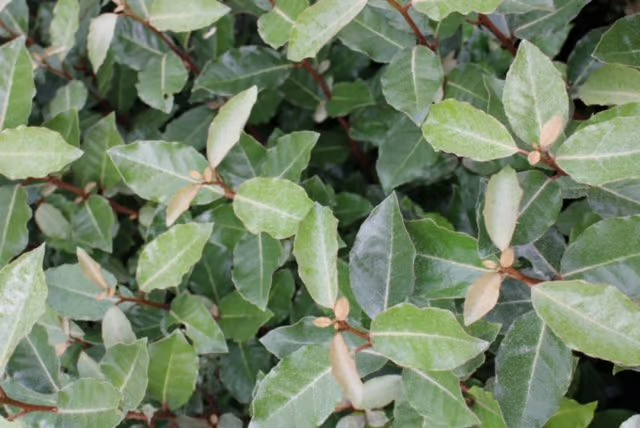
- Leaf color: The leaves are green with a grayish tint, giving the plant a beautiful silvery appearance all year round.
- Flowering season: Flowering occurs in August, September, and October. During these months, small, evergreen flowers and the characteristic berries appear; the berries are edible and are even used to make jam.
Growth and Height
The olive willow can grow up to 2.5 meters tall and has an average growth rate of 20 to 40 cm per year. For faster growth, you might consider planting a laurel, while a yew is a slower-growing tree.
Caring for the Olive Willow
Proper care is essential for a healthy olive willow. Here are a few tips:
- Planting: Use Culvita organic planting soil for optimal root development.
- Fertilization: Feed the plant twice a year with Organic Hedge Plant Fertilizer, preferably in the spring (April–June) and summer (July–August).
- Pruning: For a neat hedge, prune the olive willow twice a year: in the spring and in the fall. For a lush hedge with more flowers and berries, prune only once a year. Pruning is easy, since the plant has no thick trunks or thorns.
- Location: The olive willow is not particular and can grow in full sun, partial shade, and even full shade.
Benefits of the Olive Willow:
- Ideal for busy urban areas and coastal locations.
- Low maintenance and easy to prune.
- Evergreen, which means it stays green all year round.
- Suitable for both formal and informal hedges.
- Produces attractive flowers and berries.
Disadvantages of the Olive Willow:
- Moderate hardiness
Types and Availability
The Olive Willow (Elaeagnus) is available in various sizes, both potted (year-round) and with a root ball (starting in mid-September).
Are you excited about the olive willow? Or do you have any questions? Feel free to contact us! We’d be happy to advise you and invite you to come see our selection at our nursery.
The Olive Willow is the perfect choice for anyone looking for a durable and beautiful hedge plant!
The leaves of the olive willow (Elaeagnus)
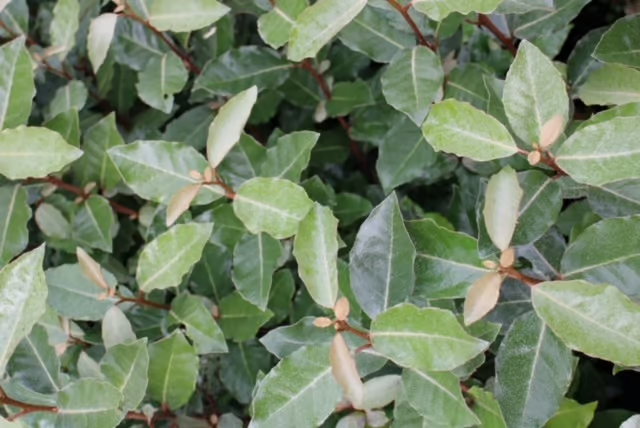
The leaves of the olive willow (Elaeagnus) are one of the most striking features of this unique plant. When looking at the leaves, their dark green color immediately catches the eye, beautifully complementing the silvery underside. This contrast not only creates a visually appealing appearance but also helps reflect sunlight, which protects the plant from drying out.
The leaves are lance-shaped and sturdy, which contributes to the Olive Willow’s durability. Thanks to these characteristics, the plant can withstand the challenges of urban environments, such as strong winds or air pollution. In the fall, the leaves retain their vibrant color, keeping the plant attractive year-round.
In addition, the leaves play a crucial role in your garden’s ecology. They serve as a food source for various insects, which promotes biodiversity. This makes the olive willow not only an aesthetic asset but also a valuable addition to the ecosystem.
With its unique leaves, the olive willow is an excellent choice for anyone who wants to create a green, vibrant space. Whether you want to form a hedge or use the plant as a specimen, the olive willow offers a beautiful and functional solution for any garden.
Frequently Asked Questions About the Olive Willow (Elaeagnus)
-
The olive willow, scientifically known as Elaeagnus, is an evergreen plant native to Asia, particularly Japan and Korea. This plant is popular in Europe because of its decorative appearance and versatility. The olive willow is not only aesthetically pleasing with its green, gray leaves and beautiful berries, but also functional. It is highly resistant to air pollution and salty sea breezes, making it ideal for urban areas and coastal locations.
-
When planting an olive willow, there are a few important steps to follow to ensure successful growth:
- Choose the right location: The olive willow can grow in full sun, partial shade, or shade. Make sure the soil is well-drained.
- Use the right soil: We recommend using Culvita organic potting soil. This helps the roots establish themselves better and gives the plant a good start.
- Planting Time: The best time to plant an olive willow is in the spring or fall. This gives the plant enough time to become established before extreme weather conditions set in.
-
Proper care is crucial for a healthy olive willow. Here are a few tips:
- Watering: Make sure the plant gets enough water, especially during dry periods. It's important to keep the soil moist, but avoid overwatering.
- Fertilization: Fertilize the olive willow twice a year with organic hedge plant fertilizer, preferably in the spring and summer. This promotes healthy growth and flowering.
- Pruning: Prune the plant once a year for a lush hedge with more flowers and berries. For a neater hedge, you can prune the olive willow twice a year, in the spring and fall. This plant has no thorns and is easy to prune.
- A good location: The olive willow isn't picky and can grow in a variety of light conditions. This makes it very versatile and suitable for a variety of garden styles.
-
The olive willow has moderate cold hardiness. This means that the plant may lose its leaves during harsh winters. However, don’t worry! In the spring, the olive willow will produce new leaves, allowing it to recover quickly. To protect the plant from extreme cold, consider applying a layer of mulch around the base of the plant during the winter months.
-
The Olive Willow offers numerous benefits, including:
- Aesthetic value: The plant has a unique appearance, with its glossy leaves and fruits, making it an attractive addition to any garden.
- Air Pollution: The olive willow is excellent at filtering air pollution, making it ideal for urban areas.
- Easy to care for: This plant requires little maintenance and is easy to prune, making it ideal for both experienced and inexperienced gardeners.
-
The Olive Willow has an average growth rate of 20 to 40 cm per year. This makes it a relatively fast-growing plant, especially under the right conditions. If you’re looking for a faster-growing hedge, it’s essential to care for the plant properly, including providing enough water and nutrients. Of course, the growth rate can vary depending on the location and the care you give the plant.
-
In general, the olive willow is a hardy plant that is not prone to pests or diseases. However, it is important to be on the lookout for potential insects, such as aphids, or fungal infections. Regularly checking for signs of pests and using biological control methods can help ensure the health of your olive willow.
-
The best time to prune the olive willow is in the spring (March through May) and in the fall (October through November). Pruning in the spring helps shape the plant and promotes healthy growth. Pruning in the fall can help prepare the plant for winter. If you want a lush hedge, you can choose to prune only once a year.
-
Yes, the olive willow is exceptionally well-suited for urban gardens. Its resistance to air pollution and salt makes it an ideal choice for areas with heavy traffic or near the coast. In addition, the olive willow requires little maintenance, which is perfect for busy city dwellers.
-
The olive willow is fairly drought-tolerant, especially once it is well established. However, it is important to water it regularly during dry periods, particularly in the first few years after planting. Make sure the plant does not dry out, especially during the summer months. Mulching can also help retain moisture in the soil.