

Order a Tree of Life
The Tree of Life: A Popular Hedge Plant
The Arborvitae, also known as Thuja, is a popular choice for hedges and belongs to the conifer family. This versatile plant can be found in many gardens, and for good reason. With its inviting appearance and dense growth, you can easily create a tall, narrow hedge that is not only aesthetically pleasing but also functional for ensuring privacy in your garden.
One of the Tree of Life's greatest advantages is that it is very low-maintenance. This plant requires little attention, making it ideal for busy families or gardening enthusiasts who don't want to spend too much time on upkeep. With a little pruning and fertilizing, the Tree of Life stays in top condition, so you can enjoy its beauty all year round.
In addition, the Tree of Life symbolizes life, which further enhances its appeal. This plant’s rapid growth rate makes it possible to create a green barrier in a short period of time. It’s quite possible that the Tree of Life will soon be in your garden as well, where it will not only enhance the visual appeal but also serve as a meaningful presence.
Consider the Tree of Life for your outdoor space and discover the many benefits this beautiful and versatile hedge plant has to offer!
-

Giant Tree of Life “Gelderland”
€ 19,95 -

Western Tree of Life ‘Brabant’
starting at € 14,95 -
Western Tree of Life ‘Smaragd’
starting at € 12,50
The Tree of Life: Your Ideal Hedge Plant
Introduction to the Tree of Life
The Arborvitae, known in Latin as Thuja, is a popular choice in the world of hedge plants. This genus of conifers can be found in many gardens, and for good reason. With its appealing appearance and the ability to create a tall, narrow hedge, the Arborvitae is an excellent choice for any gardener. What’s more, this plant is very low-maintenance, meaning you’ll need to put in minimal effort to keep this hedge in top condition.
Symbol of Life
The Tree of Life symbolizes life, which also explains the origin of its name. This plant’s rapid growth rate adds to this symbolism. It’s quite possible that the Tree of Life will soon take a prominent place in your garden as well!
The Characteristics of the Tree of Life
- Hardiness: The Tree of Life is a hardy conifer species that can withstand cold temperatures and various weather conditions.
- Disease resistance: This plant is highly resistant to disease and can also tolerate exhaust fumes well, making it an ideal choice for urban environments.
- Appearance: Instead of leaves, the Tree of Life has branches covered with scales. This gives the plant a friendly and attractive appearance.
- Growth rate: The Tree of Life is a fast-growing plant and can reach heights of 8 to 10 meters, making it perfect for creating privacy.
- Evergreen: This plant stays green all year round, so you can always enjoy your privacy. Plus, you’ll save yourself cleanup work in the winter, since no leaves fall.
Caring for the Tree of Life
Proper care is essential for the optimal growth and health of your Tree of Life:
- Planting: Use Culvita organic potting soil when planting. This gives the roots a boost and helps them establish themselves quickly.
- Fertilization: Fertilize the Tree of Life twice a year with Organic Fertilizer for Hedge Plants. The best times for this are:
- April through June
- July through August : For best results, spread the fertilizer pellets during dry weather.
- Pruning: Due to its rapid growth, we recommend pruning the Tree of Life twice a year:
- Spring (March through May)
- Fall (October or November): Prune mainly the tips, but be careful not to prune back to bare wood to prevent damage to the plant.
- Location: The Tree of Life is versatile and can be planted in full sun, partial shade, or shade. This makes it suitable for a variety of garden settings.
- Watering: Keep in mind that the Tree of Life can be sensitive to prolonged drought. Water the hedge more frequently during hot spells to prevent it from drying out.
Benefits of the Tree of Life
- Fast growth: Ideal for quickly creating privacy.
- Hardy: Resistant to cold and various weather conditions.
- Always green: Enjoy a green hedge all year round.
- Diseases: Not very susceptible to plant diseases.
- Simple mounting: Adaptable to various lighting conditions.
- Low-maintenance: Requires little care and attention.
Disadvantages of the Tree of Life
- Susceptibility to drought: During prolonged droughts, additional watering is necessary.
- Pruning recommendations: Do not prune back to bare wood.
Types of Tree of Life
Buy a Tree of Life
Are you interested in the Tree of Life, or would you like more information? Feel free to contact us! Our team is ready to advise you and show you our extensive selection from our own nursery. The Tree of Life is available in various sizes with root balls starting in mid-September.
With the Tree of Life, you’re not only bringing home a beautiful hedge plant, but also a symbol of life and growth. Complete your garden with this versatile and low-maintenance plant!
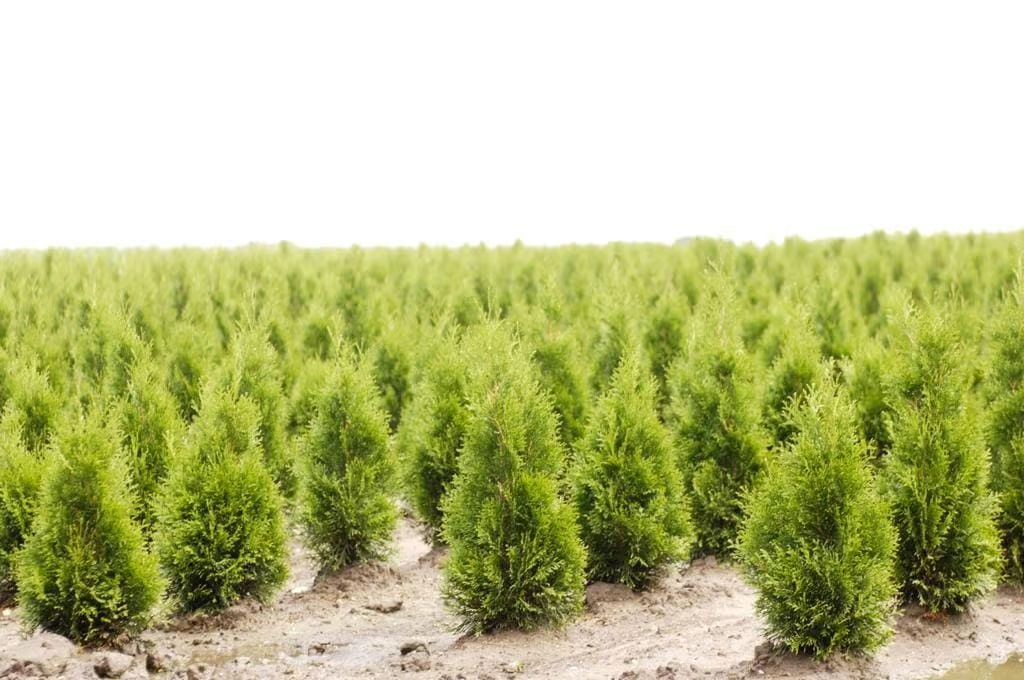
The "Smaragd" Tree of Life: a hedge plant shaped like a pawn?
The Emerald Arborvitae, also known as Thuja occidentalis ‘Smaragd,’ is one of the most popular varieties of arborvitae. This plant is prized for its elegant, upright growth habit and dense, green scales. The Emerald not only has an aesthetically pleasing appearance but also offers practical benefits for gardens and outdoor spaces.
With its narrow, upright growth habit, the Emerald Tree of Life is ideal for creating tall, neat hedges. It can grow up to 3–4 meters tall but remains relatively narrow, making it perfect for smaller gardens or as a border along paths and flower beds. Its dense branches ensure that the hedge provides privacy year-round, while its vibrant green color is maintained even in winter.
What makes this variety special is its spire-shaped growth habit! Unlike other arborvitae, which tend to spread out more, the Smaragd remains nice and compact and upright. This makes it easier to maintain a neat and well-groomed appearance. The scales on the leaves are dense, creating a full, lush hedge that is highly resistant to wind and other weather conditions.
The Tree of Life Emerald grows at a moderate rate, which means it quickly forms a beautiful hedge while also having time to take firm root in the soil. This makes it a sustainable choice for gardeners looking for a long-term solution for privacy and aesthetics in their garden.
Frequently Asked Questions About the Tree of Life
-
The Arborvitae, also known as Thuja, is a popular hedge plant that belongs to the conifer family. This plant is known for its rapid growth, hardiness, and pleasant appearance. Many gardens feature an Arborvitae hedge because it allows for the creation of a tall, narrow hedge that provides privacy. The Arborvitae is also very low-maintenance, making it an attractive choice for both experienced gardeners and beginners. This makes it not only an aesthetic asset but also a practical addition to your outdoor space.
-
When planting a Tree of Life, it’s important to follow the right steps to ensure successful growth. Start by choosing a suitable location. The Tree of Life grows well in both sun and shade, but prefers a sunny spot. Make sure the soil is well-drained and use Culvita organic potting soil to give the roots a good start. Dig a hole twice as large as the plant’s root ball and position the Tree of Life so that the top of the root ball is level with the ground. Fill the hole with soil and press it down firmly. Then water the plant thoroughly to help it establish itself.
-
Caring for the Tree of Life is relatively simple. Here are a few important points to keep in mind:
- Watering: Make sure the plant gets enough water, especially during hot spells. The Tree of Life can be sensitive to prolonged drought, so additional watering may be necessary.
- Fertilization: Fertilize the plant twice a year with organic hedge plant fertilizer. This helps the plant stay healthy and vigorous.
- Pruning: To keep the Tree of Life in shape, pruning is recommended. Do this twice a year: in the spring and in the fall. Be careful not to prune back to bare wood, as this can reduce the plant’s vigor.
- Disease Monitoring: Although the Tree of Life is generally resistant to disease, it is important to check it regularly for signs of problems, such as discolored scales or unwanted insects.
-
The Tree of Life offers numerous benefits for gardening enthusiasts. One of its biggest advantages is its rapid growth. This means you can enjoy a tall, green hedge that provides privacy in no time. In addition, the Tree of Life is hardy and stays green year-round, enhancing the aesthetic appeal of your garden. The plant is relatively low-maintenance and adapts well to various light conditions. This makes it a versatile choice for a wide range of gardens.
-
Although the Tree of Life has many benefits, there are also some drawbacks to keep in mind. The plant can be sensitive to prolonged drought, especially during hot summers. It is therefore important to water it regularly. In addition, the Tree of Life cannot be pruned back completely to bare wood. This means you must be careful when pruning to keep the plant healthy and vibrant. Another point to keep in mind is that, in some cases, the Tree of Life can emit a strong odor, which not everyone finds pleasant.
-
There are several types of trees of life you might want to consider, depending on your gardening needs and aesthetic preferences. Some popular varieties include:
- Giant Tree of Life ‘Gelderland’: Known for its vigorous growth and beautiful, dense hedge.
- Western arborvitae ‘Brabant’: A popular species due to its rapid growth and excellent form.
- Western tree of life ‘Smaragd’: This variety has a beautiful, upright growth habit and remains green year-round.
Each variety has its own unique characteristics, so it's worth researching which one is best suited for your garden.
-
The Tree of Life is known for its rapid growth rate. Under ideal conditions, the plant can grow up to 30–60 cm per year. This makes it an excellent choice for gardeners who want to quickly create a tall hedge for privacy or as a screen. However, it is important to provide the proper care—such as sufficient water and fertilizer—to maximize this growth rate.
-
Although the Tree of Life is generally quite resistant to diseases and pests, problems can sometimes arise. Regular inspection is crucial. Common pests include scale insects and spider mites. You can control these pests with organic pesticides or by rinsing the plant with water. In cases of severe infestation, it may be necessary to use a specialized pesticide. Be sure to always follow the instructions for safe use.
-
In general, it is recommended to prune the Tree of Life twice a year: once in the spring and once in the fall. This not only helps maintain the desired shape but also promotes healthy growth. Focus on pruning the tips to keep the hedge compact. Be sure not to prune down to the bare wood to prevent damage to the plant.
-
The Tree of Life thrives best in well-drained, moist soil. Although the plant can adapt to various light conditions, it prefers full sun to partial shade. Make sure the plant has enough space to grow, especially if you plan to plant multiple Tree of Life plants in a hedge. Also keep in mind that the plant can be sensitive to prolonged drought, so extra care is needed during hot summer months.