Planting a hedge can be a great way to beautify your garden, create privacy, and form a natural barrier. But what is actually the best time to plant a hedge? In this blog, we’ll take a closer look at the differences between planting a hedge in the spring and in the fall. We’ll discuss the benefits of both seasons, the types of hedge plants you might want to consider, and some tips for successful planting.
The Benefits of Spring
Spring is a popular time to plant hedge plants, and for good reason:
1. Optimal growing conditions
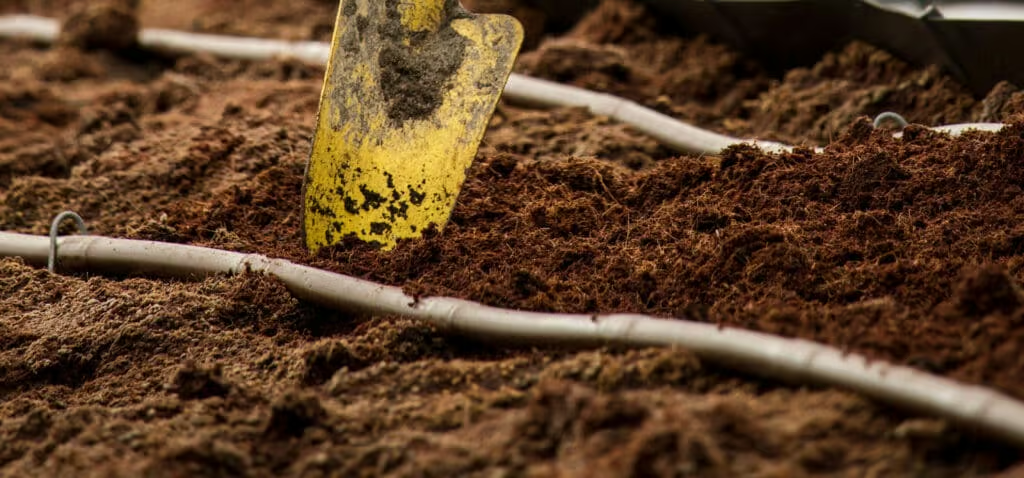
In the spring, the soil is often moist from winter precipitation, which makes planting easier. Temperatures begin to rise, creating an ideal environment for hedge plants to establish their roots. This is crucial for the development of a healthy hedge, as strong roots are the foundation for successful growth.
2. Long growing season
By planting in the spring, the plants have the entire spring and summer to grow. This often results in faster growth and a fuller-looking hedge by fall. Plants planted during this period can benefit from the longer days and increased hours of sunlight, which promote their growth.
3. Lower risk of frost
When you plant in the spring, the risk of frost is much lower. This is crucial for young plants, which are vulnerable to cold. Frost can damage new shoots and roots, which can reduce their chances of survival. Spring therefore offers a safer environment for planting.
4. Active Growth
Most hedge plants start growing actively in the spring. This means you’ll see results faster. Over the course of several months, your hedge will become denser and greener, giving your garden a vibrant look.
The Benefits of Fall
Planting a hedge in the fall also has its own unique advantages:
1. Cooler temperatures
The cooler temperatures in the fall mean that plants experience less stress. This is especially important for young plants that still need to establish themselves. The cooler air helps the plants focus their energy on root development rather than above-ground growth.
2. Moist soil
In the fall, the soil and air are often moist, which makes planting easier. This moisture helps the roots establish themselves more easily. Plants set out in the fall often have a better chance of thriving, because soil moisture levels are usually ideal.
3. Less competition from weeds
In the fall, there are usually fewer weeds competing for nutrients and water. This gives your hedge plants the chance to focus entirely on their growth without being hindered by unwanted plants.
4. Faster root development
Plants that are planted in the fall can develop their roots before winter sets in. As a result, they are often stronger and better prepared for growth in the spring. This means they can benefit sooner from the spring sun and the warming soil.
5. Less stress on the plants
In the fall, there are fewer extreme weather conditions, such as heat waves. This means your plants experience less stress during the transition to their new environment. This can result in a higher survival rate and a healthier hedge.
Conclusion
Whether you choose to plant your hedge in the spring or the fall, both seasons offer unique advantages. Spring offers optimal growing conditions and a longer growing season. On the other hand, fall offers cooler temperatures, moist soil, and less competition from weeds. It’s important to consider the specific needs of the plants you choose and to make the proper preparations for a successful planting. This can sometimes be challenging. If you have any questions, please feel free to contact us at any time.
At Stan Verwaaij Haagplanten, we offer a wide variety of hedge plants for every season. Take a look at our online store for more information and to discover the best hedge plants for your garden!
 Stan Verwaaij