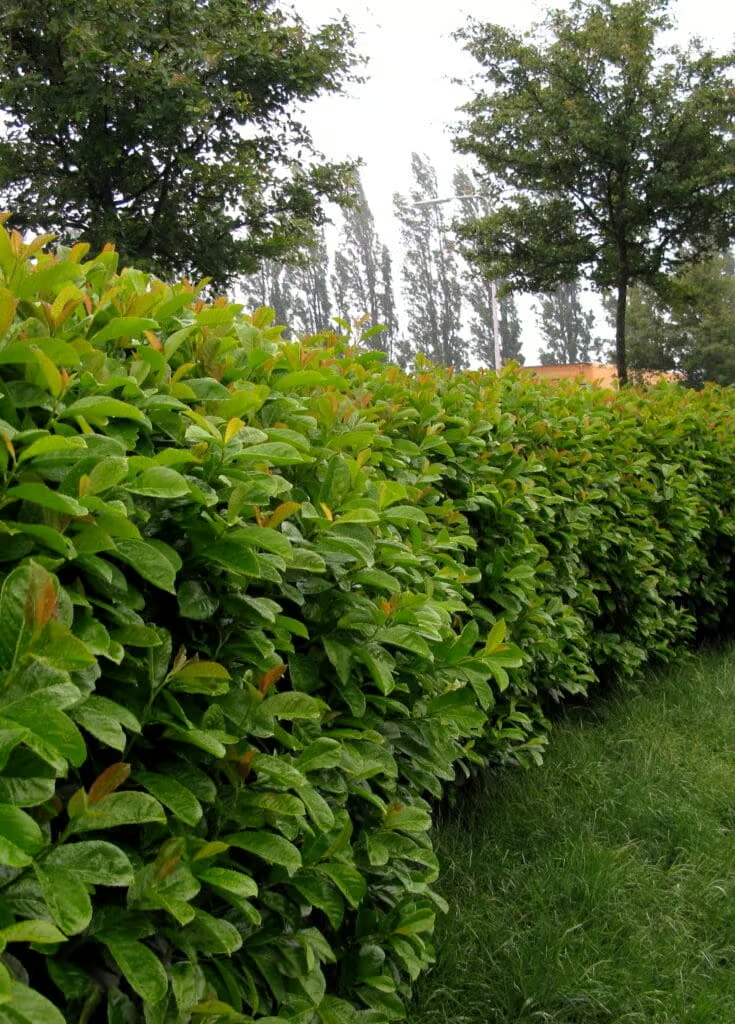
The Portuguese Laurel (Prunus lusitanica ‘Angustifolia’) is currently the most popular variety of laurel in the Netherlands, and for good reason! This versatile plant adds charm to any garden, but there are also a few things to keep in mind. In this blog post, we’ll discuss the pros and cons of the Portuguese Laurel so you can decide whether this plant is right for your garden.
Benefits of Portuguese Laurel:
1. Luxurious look
This hedge plant is known for its chic and luxurious appearance. With its small, glossy, dark green leaves and striking wine-red branches, it makes a stunning addition to any garden. This visual appeal makes it a popular choice for both modern and traditional garden designs.
2. Rapid growth
Another important advantage of the Portuguese laurel is its rapid growth. On average, this species grows between 20 and 40 cm per year. This means you can quickly enjoy a dense hedge or a green border. It’s ideal for gardeners who want to see results quickly.
3. Suitable for various soil types
The Portuguese laurel is very tolerant of different soil types. Whether you have sand, clay, or loam, this plant will likely take root well and start to grow. This makes it an excellent choice for a variety of garden settings.
4. Versatility in Garden Design
Whether you want a formal hedge or an informal border, this variety will adapt to your needs. You can use this plant to create privacy, block unwanted views, or simply as a beautiful addition to your garden design.
5. Drought Tolerance
The Portuguese laurel is relatively tolerant of dry spells. Compared to other plants, it often survives better in drier conditions. That said, it’s important to water it sufficiently during prolonged droughts. This helps ensure the plant’s health.
Disadvantages of the Portuguese laurel:
1. Limited cold hardiness
One of the drawbacks of this laurel is that it is less hardy than other laurel varieties. The plant can sustain damage during harsh winters. It is advisable to protect your hedge during the coldest months. You can do this, for example, by draping a cloth or tarp over the hedge.
2. Difficulty in creating a neat hedge
The wood of Prunus lusitanica ‘Angustifolia’ is usually softer than that of other hedge plants. This makes it more difficult to create a neat, formal hedge. However, this plant is perfect for a more informal look.
3. Regular maintenance requirements
This type of plant requires regular maintenance to grow well. It is recommended that you prune the plant 2 to 3 times a year to maintain its shape. Fertilization is also essential; fertilize your laurel hedge at least twice a year, once in the spring (April/May) and once in the summer (July/August).
4. Prone to wet feet
This plant does not tolerate waterlogging well. During periods of heavy rainfall, the Portuguese laurel may struggle. Make sure there are no puddles of water around the plant, as this can lead to root rot.
5. Toxicity
The Portuguese laurel is poisonous to both humans and animals, particularly its berries and leaves. Although it is unlikely that anyone or anything would eat these parts of the plant, it is good to know this, especially if you have pets or small children.
Conclusion
Most people agree: the Portuguese laurel is a beautiful plant! In addition to the luxurious look it brings, it’s also a versatile choice for various garden designs. Whether you want a hedge, a border, or a topiary, the Portuguese laurel can meet all these needs.
Still, it’s important to realize that this type of plant isn’t the easiest to care for. Many of the complaints we receive are about this specific variety of laurel. This is because this hedge plant can be quite sensitive and requires extra attention.
So my advice is this: go for the Portuguese laurel if you’re truly in love with this plant! After all, you’ll be looking at it often. However, if you’d rather have a functional hedge that requires less maintenance, consider choosing a different type of laurel.
Tips for Caring for the Portuguese Laurel
- Pruning: Be sure to prune at least 2 to 3 times a year to keep the plant in top condition.
- Fertilization: Use Stan Verwaaij's Organic Hedge Plant Fertilizer, which is specially formulated for hedge plants. This will promote growth.
- Watering: Water regularly, especially during dry spells, but make sure not to overwater.
- Winter Protection: Cover your hedge during harsh winters to prevent damage.
With these tips and information, you can help your Portuguese laurel thrive in your garden. Enjoy the beauty and benefits this plant has to offer!
With green regards,
Stan Verwaaij



 Stan Verwaaij